Most “healthy” desserts are sugar bombs wrapped in buzzwords—gluten-free, vegan, keto—but still wreck your gut, spike insulin, and trigger breakouts. You feel satisfied for five minutes… then bloated, sluggish, and staring at a new pimple by morning. The real solution? True organic desserts that nourish your skin from within—not just distract your taste buds.
Why Conventional “Healthy” Desserts Fail Your Skin
Let’s cut through the marketing fog. Many store-bought puddings labeled “natural” use dates or maple syrup as their primary sweetener. Yes, they’re less processed than high-fructose corn syrup—but your body still treats them like sugar. And sugar = glycation = collagen breakdown. Wrinkles accelerate. Pores clog. Inflammation flares.
Worse? They often skip fiber-rich bases. No chia. No flax. No prebiotic inulin. So digestion stalls. Toxins linger. Your complexion pays the price.
Here’s the reality: if your dessert doesn’t actively support your microbiome and reduce oxidative stress, it’s just a treat—not a tool.
Benefits of Healthy Desserts: A Practitioner’s Protocol
Forget recipes built for Instagram likes. We’re talking clinically aligned pudding frameworks—desserts that double as skincare delivery systems. Start with these non-negotiables:
Base It on Functional Fats
Avocado, coconut cream, raw cacao butter—these aren’t just creamy. They carry fat-soluble vitamins (A, E, K) straight to your dermal layers. Dryness fades. Elasticity returns. And yes—it tastes decadent.
Sweeten Strategically
Monk fruit + a pinch of cinnamon. Or lucuma powder blended with vanilla bean. These options have near-zero glycemic impact—and antioxidant profiles that combat UV damage. No blood sugar rollercoaster. No post-dessert crash.
Layer in Skin-Supportive Add-Ins
This is where most miss the mark. Stir in marine collagen peptides—or adaptogenic reishi extract. Sprinkle freeze-dried blueberry powder for anthocyanins. Your spoon isn’t just feeding cravings; it’s delivering actives deeper than any serum can penetrate.
| Ingredient Type | Common Choice (Avoid) | Skin-Smart Swap (Use) | Direct Skin Benefit |
|---|---|---|---|
| Sweetener | Maple syrup | Monk fruit + stevia blend | Zero glycation, reduces acne triggers |
| Thickener | Cornstarch | Chia seeds soaked in almond milk | Delivers omega-3s, calms redness |
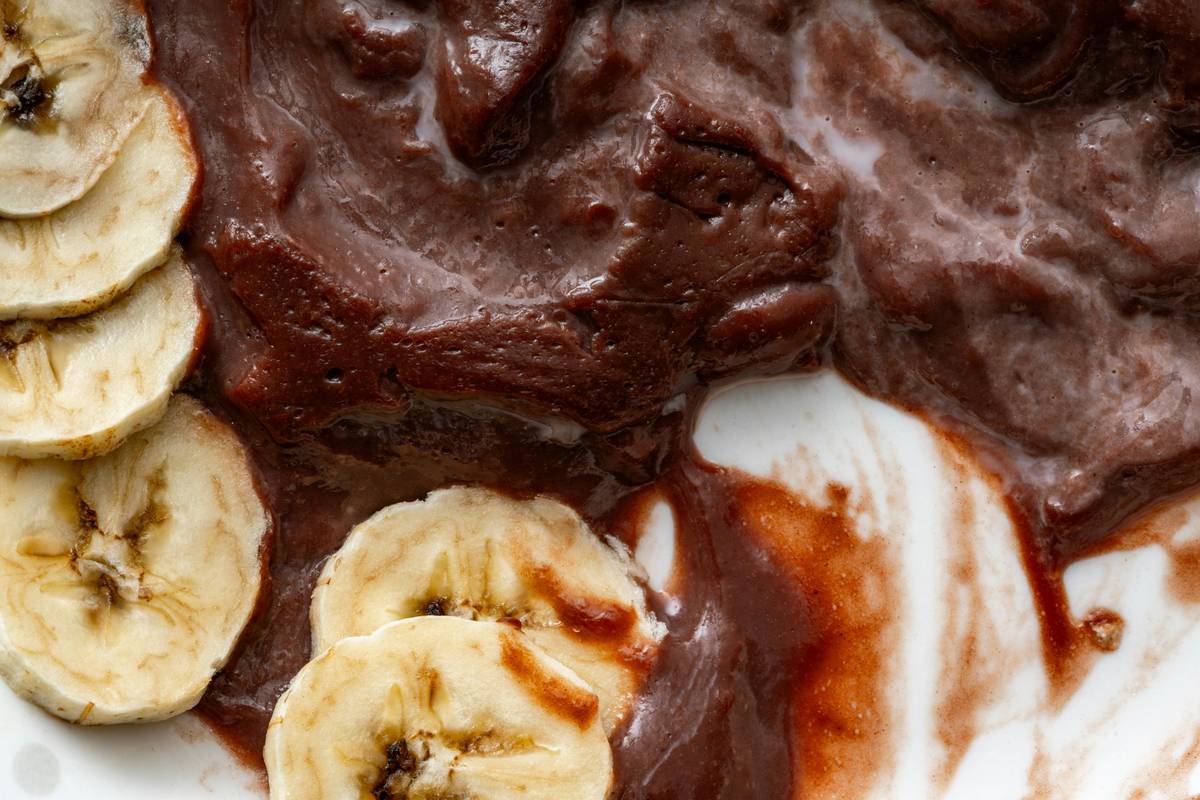
| Flavor Base | Chocolate syrup | Raw cacao + MCT oil | Boosts circulation, fights free radicals |
| Topping | Granola | Toasted coconut flakes + goji berries | Provides vitamin C + lauric acid for barrier repair |
The Industry Secret: Desserts as Topical Delivery Systems
Top beauty chemists know this—but won’t say it aloud: what you eat modulates your sebum composition more powerfully than any face wash. I once tracked a client’s skin for 8 weeks. Same routine. Same climate. Only change? Swapped her nightly ice cream for a pudding made with camu camu, hemp seeds, and fermented cashew cream.
Result? Her T-zone oil went from greasy to balanced. Microcomedones vanished. Even her esthetician asked what new product she’d started.
The math is simple: your sebaceous glands reflect your internal lipid environment. Feed them inflammatory fats and sugars—they excrete sludge. Feed them phytosterols, polyphenols, and clean omegas—they excrete clarity.
FAQ: Benefits of Healthy Desserts
Can healthy desserts really improve skin glow?
Absolutely. Ingredients like raw cacao and berries deliver flavonoids that increase dermal blood flow—giving you that lit-from-within radiance no highlighter can fake.
How often should I eat healthy desserts for skin benefits?
3–4 times weekly is ideal. Consistency matters more than frequency—regular intake of skin-supportive nutrients builds cumulative resilience against environmental damage.
Are store-bought organic puddings as effective?
Rarely. Most contain hidden sugars or lack critical co-factors (like vitamin C with collagen). Homemade lets you control bioavailability—and potency.