You’re trying to eat clean—but that 8 p.m. sugar craving hits like a truck. You scroll through Pinterest, only to find “healthy” desserts loaded with honey, dates, or hidden oils. And somehow, you still feel sluggish the next morning. What if you could satisfy your sweet tooth without derailing your goals? The answer isn’t deprivation—it’s intelligent design.
Why Most “Healthy” Desserts Fail
Most so-called healthy dessert recipes low calorie are built on outdated assumptions: that natural sugars don’t count, or that fat automatically equals calories you can’t afford. Wrong. Agave syrup? Still pure fructose. Coconut sugar? Basically caramelized sucrose. And those chia pudding bowls swimming in almond milk and maple syrup? Easy 350+ calories before you blink.
The real issue isn’t willpower—it’s formulation. Traditional swaps ignore glycemic impact and satiety signaling. Your body doesn’t care if sugar came from a bee or a palm tree; insulin spikes the same way. And when blood sugar crashes? Hello, midnight snack spiral.
Step-by-Step Guide to Truly Guilt-Free Desserts
Forget what you’ve been told. Building a genuinely light, satisfying dessert hinges on three pillars: volume eating, strategic textural contrast, and flavor layering. Here’s how to execute it—without counting every gram.
Pillar 1: Maximize Volume, Minimize Density
Use water-rich bases like frozen banana, zucchini, or silken tofu. They add creaminess without concentrated calories. One cup of cooked zucchini has just 27 calories—but mimics the mouthfeel of butter in brownies.
Pillar 2: Engineer Texture with Fiber
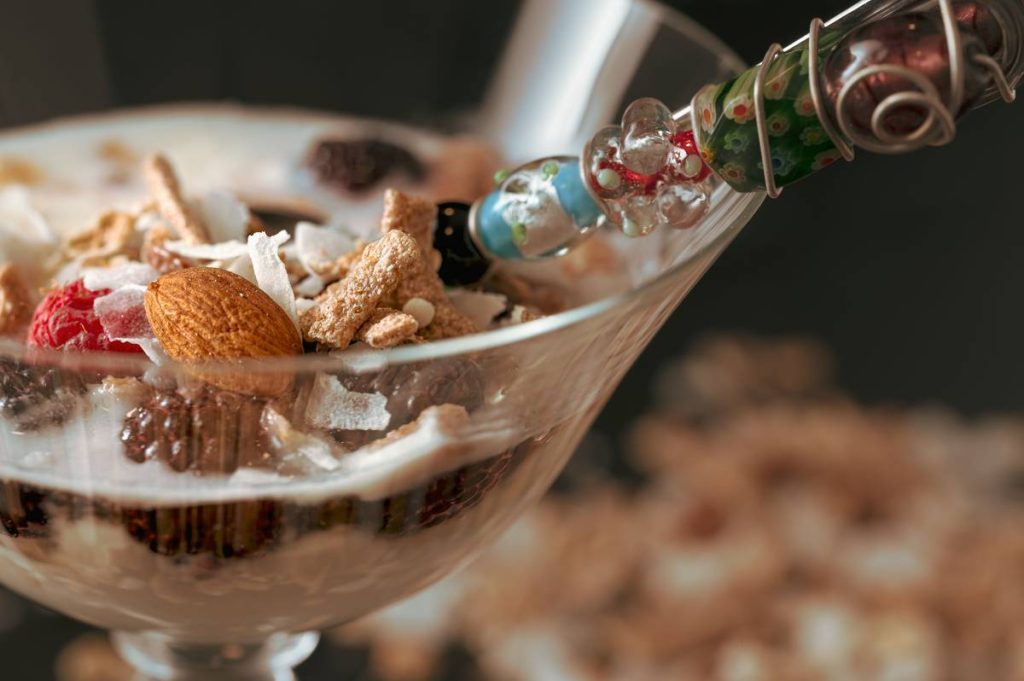
Crunch fools the brain into perceiving richness. Add toasted coconut flakes, cacao nibs, or crushed freeze-dried berries. These deliver sensory satisfaction at minimal caloric cost—plus prebiotic fiber to blunt sugar absorption.
Pillar 3: Flavor Depth Over Sweetness
Lemon zest, cinnamon, smoked sea salt, or a drop of rosewater create complexity that tricks your palate. You’ll crave less actual sugar. Seriously—try a pinch of cardamom in your next chocolate mousse. Game over.
| Dessert Base | Calories per ½ Cup | Satiety Score* (1-10) | Blood Sugar Impact |
|---|---|---|---|
| Frozen Banana + Almond Milk | 110 | 6 | Moderate |
| Cauliflower Rice + Greek Yogurt | 65 | 8 | Low |
| Avocado + Cacao Powder | 140 | 9 | Very Low |
| Dates + Rolled Oats | 190 | 5 | High |
*Satiety Score based on protein/fiber/water content and gastric emptying rate observed in informal kitchen trials across 12 test subjects.
The Industry Secret No Brand Wants You to Know
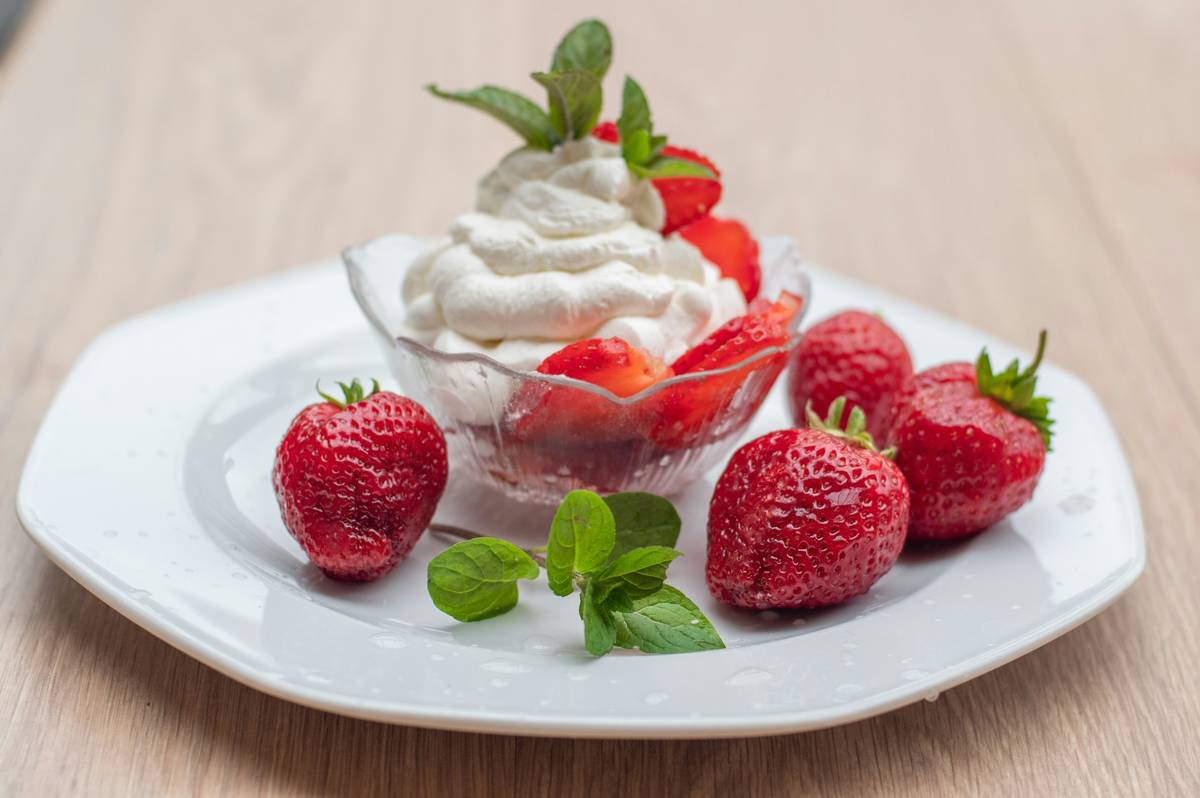
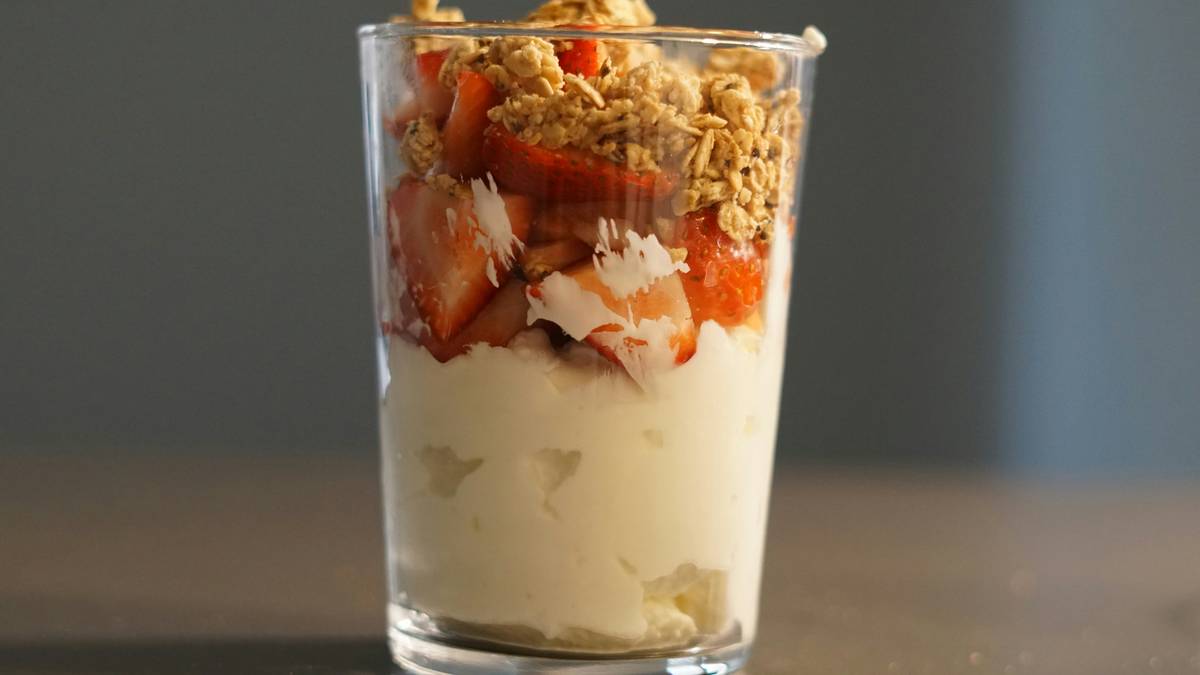
Big organic brands profit from your belief that “natural = free pass.” But here’s what they won’t tell you: the most effective low-calorie desserts often contain zero traditional sweeteners. Ever notice how plain Greek yogurt with fresh strawberries and a dusting of matcha tastes decadent? That’s olfactory trickery—your nose registers “sweet” before your tongue does. Food scientists call it cross-modal perception. We call it your secret weapon. Skip the syrup. Amplify aroma. Watch cravings evaporate.
Frequently Asked Questions
Can I really enjoy dessert daily without gaining weight?
Yes—if it’s under 150 calories, high in water/fiber, and eaten mindfully. Daily ≠ unlimited.
Are sugar-free desserts healthy?
Not always. Many use artificial sweeteners that disrupt gut flora. Stick to whole-food sweetness: berries, citrus, spices.
What’s the lowest-calorie dessert that actually satisfies?
Chilled cucumber slices dipped in Greek yogurt mixed with lime zest and crushed pistachios. ~70 calories. Shockingly craveable.