Most “healthy” puddings are sugar traps in disguise—loaded with hidden syrups, artificial thickeners, and enough processed junk to spike your blood sugar faster than a soda. You crave something creamy, satisfying, and guilt-free… but what’s on supermarket shelves rarely delivers. The good news? Real healthy pudding dessert benefit of using whole, organic ingredients isn’t just possible—it’s shockingly simple.
Why Store-Bought “Healthy” Puddings Fail You
They look innocent enough. Labeled “low-fat” or “all-natural.” But flip the carton—chances are you’ll spot corn syrup solids, carrageenan, or “natural flavors” (a loophole term hiding dozens of lab-made compounds). These additives sabotage gut health and trigger inflammation. And that promised creaminess? Often comes from gums engineered for shelf stability—not your skin’s glow or your energy levels.
Here’s the reality: texture and taste shouldn’t cost you nutritional integrity. Yet 90% of commercial puddings prioritize mouthfeel over micronutrients. The result? A dessert that tastes okay today—and taxes your body tomorrow.
How to Make Truly Healthy Pudding Dessert Benefit of Using Real Ingredients
Ditch the cartons. Your kitchen is the only lab you need. The magic lies in choosing functional bases that nourish while they indulge.
Select Your Base: Creaminess Without Compromise
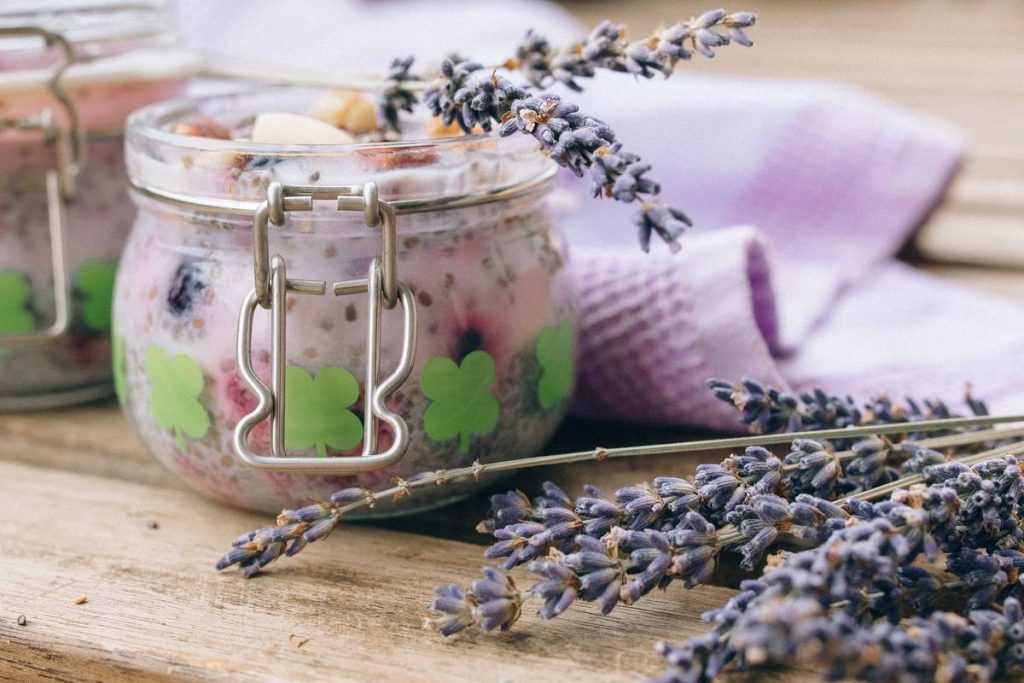
Avocado. Chia seeds. Full-fat coconut milk. Cashew cream. These aren’t just “alternatives”—they’re upgrades. Each brings fatty acids, fiber, or minerals standard puddings lack. Avocado adds monounsaturated fats that support skin elasticity. Chia offers omega-3s and a natural gel structure.
Sweeten Smartly—Not Heavily
Maple syrup, raw honey, or date paste. Use half the amount you’d expect. Your palate recalibrates fast. And unlike refined sugar, these options contain trace minerals and antioxidants. Bonus: they don’t cause insulin crashes that leave you craving more sugar an hour later.
Flavor with Purpose
Cacao powder? Rich in magnesium. Matcha? Packed with catechins. Vanilla bean? Natural mood enhancer. Every spoonful becomes functional—not just flavorful.
| Base Ingredient | Nutrient Perks | Prep Time | Cost per Serving |
|---|---|---|---|
| Chia Seeds + Almond Milk | High fiber, omega-3s, plant protein | 5 min + 4 hrs soak | $0.85 |
| Avocado + Cacao | Monounsaturated fats, iron, potassium | 7 min (no soak) | $1.20 |
| Coconut Milk + Arrowroot | MCTs, lauric acid, easy digestion | 15 min (stovetop) | $1.10 |
The Industry Secret No Brand Wants You to Know
Big organic brands markup “clean” puddings by 300%—but their base recipes are often identical to what you can make at home for under $1.20 a serving. Worse? Many use isolated pea protein or rice starch to mimic dairy texture, which can cause bloating in sensitive individuals. Here’s what formulators won’t tell you: the richest, smoothest textures come from fat—not filler. Full-fat coconut milk or soaked cashews deliver silkiness without gums. And they cost less per ounce than most store-bought tubs. The math is simple: real food = better taste, better biology, lower bill.
Frequently Asked Questions
Can healthy pudding really help with glowing skin?
Yes—if made with skin-supportive fats like avocado or coconut. These provide vitamin E and lauric acid, which reduce oxidative stress and support collagen.
How long does homemade healthy pudding last?
Stored air-tight in the fridge: 4 days for chia-based, 3 days for avocado (oxidizes faster), and 5 days for cooked coconut pudding.
Is healthy pudding dessert benefit of using worth the effort?
Absolutely. You control sugar, avoid inflammatory additives, and gain nutrients missing in commercial versions—all while satisfying cravings without regret.