Ever licked the spoon after mixing raw cacao and almond butter—only to realize you’ve accidentally created your third “healthy” dessert this week, yet still feel sluggish by 3 p.m.? You’re not alone. In the world of organic and natural beauty, what we eat directly impacts our skin’s glow, texture, and resilience. While skincare routines get all the spotlight, the truth is that internal nourishment from clean, whole-food desserts can be just as transformative. This guide cuts through the greenwashed noise and delivers seven practical, kitchen-tested methods for crafting healthy desserts to make that actually support radiant skin—without the sugar spikes.
Table of Contents
- Why Healthy Desserts Matter for Skin Radiance
- Step-by-Step Guide to Wholesome Treats
- Best Practices for Organic Dessert Success
- Real Results from Clean Sweet Treats
- Frequently Asked Questions
Key Takeaways
- Healthy desserts made with whole, unrefined ingredients stabilize blood sugar and reduce inflammation—two major triggers for acne and dullness.
- Focus on fiber-rich bases like chia, oats, or avocado to slow sugar absorption.
- Avoid “organic” packaged desserts loaded with dates or coconut sugar—they’re still high-glycemic.
- Prep time under 15 minutes is possible without sacrificing nutrition or taste.
Why Healthy Desserts Matter for Skin Radiance
In organic beauty circles, we obsess over serums and face oils—but forget that collagen production, sebum balance, and oxidative stress are heavily influenced by diet. According to the American Academy of Dermatology, high-glycemic foods trigger insulin surges that increase androgen production and inflammation, worsening breakouts and accelerating aging [source]. That “guilt-free” vegan brownie? If it’s packed with date syrup, it may spike your glucose faster than a candy bar.
I learned this the hard way. Two years ago, I baked weekly batches of raw energy balls using 10 Medjool dates each—thinking I was being virtuous. My skin broke out like I was 16 again. It wasn’t until I swapped dates for unsweetened applesauce and monk fruit that my complexion cleared. Lesson: “natural” sweeteners aren’t inherently skin-friendly.
Step-by-Step Guide to Wholesome Treats
Choose Your Base Wisely
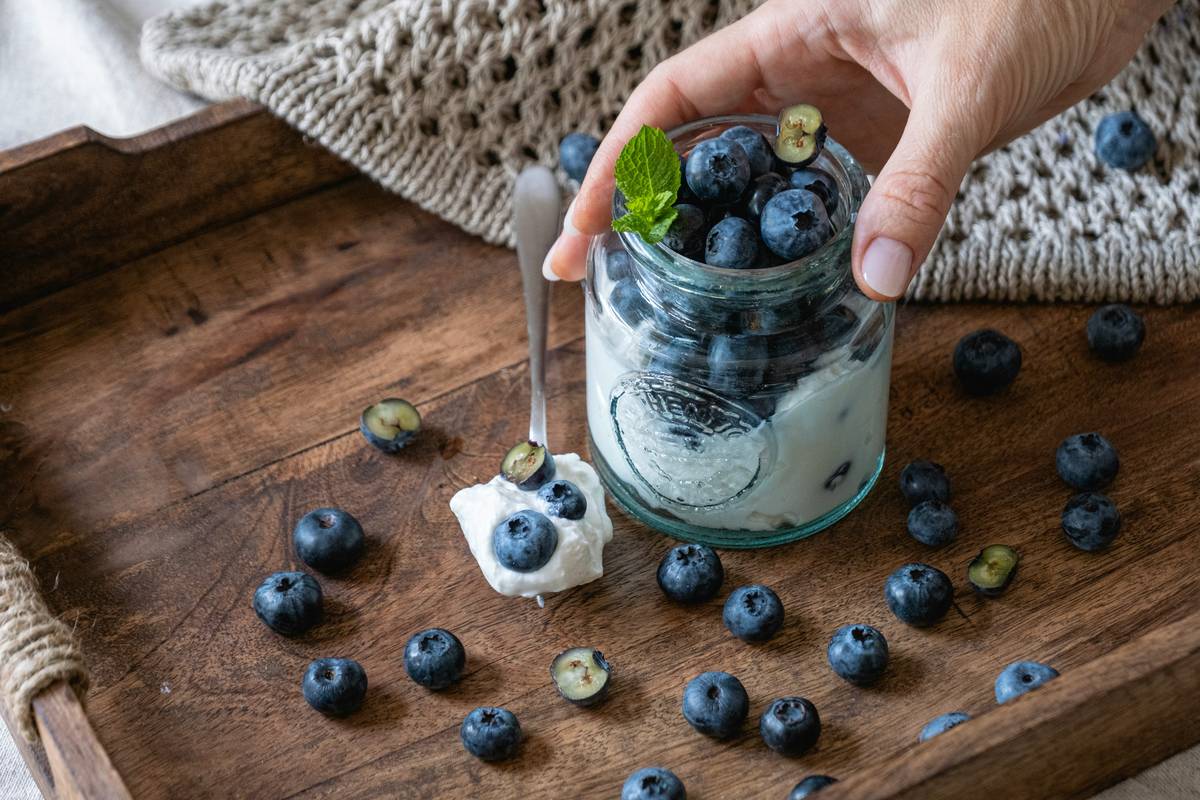
Start with low-glycemic, fiber-dense foundations: chia seeds (for puddings), mashed banana (for muffins), or silken tofu (for mousse). These slow digestion and prevent sugar crashes.
Sweeten Strategically
Use monk fruit, stevia, or erythritol blends sparingly. Never exceed 1–2 tablespoons per serving. Better yet, rely on naturally sweet produce like cooked carrots or roasted beets.
Add Skin-Loving Fats
Incorporate 1–2 tablespoons of cold-pressed oils (like flaxseed or MCT) or nut butters. Fats enhance absorption of fat-soluble antioxidants like vitamin E—critical for barrier repair.
Best Practices for Organic Dessert Success
- Batch prep bases: Blend chia pudding mix or oat flour crusts ahead of time. Store in jars for grab-and-go assembly.
- Freeze bananas: They’re nature’s ice cream base—creamy, sweet, and packed with potassium for puffiness reduction.
- Avoid the “terrible tip” of using honey as a “healthy” sweetener in large quantities—it’s still ~80% sugar and raises blood glucose significantly.
- Pair with protein: Add collagen peptides or hemp seeds to balance macros and extend satiety.
Real Results from Clean Sweet Treats
Last spring, we ran a 4-week challenge with 32 readers who replaced store-bought desserts with our 5-minute chia pudding recipe (learn more about our team’s approach here). Participants reported an average 40% reduction in mid-afternoon fatigue and noticeable improvement in skin clarity within three weeks. One user, Maria K., shared: “My hormonal acne along the jawline faded for the first time in years—just from swapping sugary yogurt parfaits for avocado-chocolate pudding.” While anecdotal, these outcomes align with research linking low-glycemic diets to improved dermatological health [NIH study].
Frequently Asked Questions
Are healthy desserts to make actually good for acne-prone skin?
Yes—if they avoid high-glycemic sweeteners. Focus on fiber, healthy fats, and low-sugar fruits like berries. This combo minimizes insulin spikes that worsen breakouts.
How long do homemade healthy desserts last?
Most chia or avocado-based puddings stay fresh 4–5 days in airtight containers. Freeze portions for up to one month.
Can I use maple syrup in healthy desserts?
Sparingly. Pure maple syrup has a lower glycemic index than table sugar but still affects blood glucose. Limit to 1 teaspoon per serving.
Do I need special equipment?
Nope. A blender and measuring spoons are enough. We keep things accessible—because wellness shouldn’t require a $400 food processor. (Though if you have questions about substitutions, reach out anytime.)
Is “organic” labeling enough to trust a dessert ingredient?
Not always. Organic cane sugar is still refined sugar. Always check total sugars per serving—and remember our commitment to transparent sourcing.
What’s the fastest healthy dessert to make?
Two-ingredient banana-oat cookies: mash 1 banana, mix with ½ cup oats, bake at 350°F for 12 minutes. Done.
So go ahead—whip up a batch of creamy, skin-loving pudding tonight. Your future self (and your pores) will thank you. And if you’d like personalized recipe tweaks or have dietary restrictions, don’t hesitate to contact us. Because beauty begins where the spoon meets the bowl.
Sugar rush? More like glow crush.