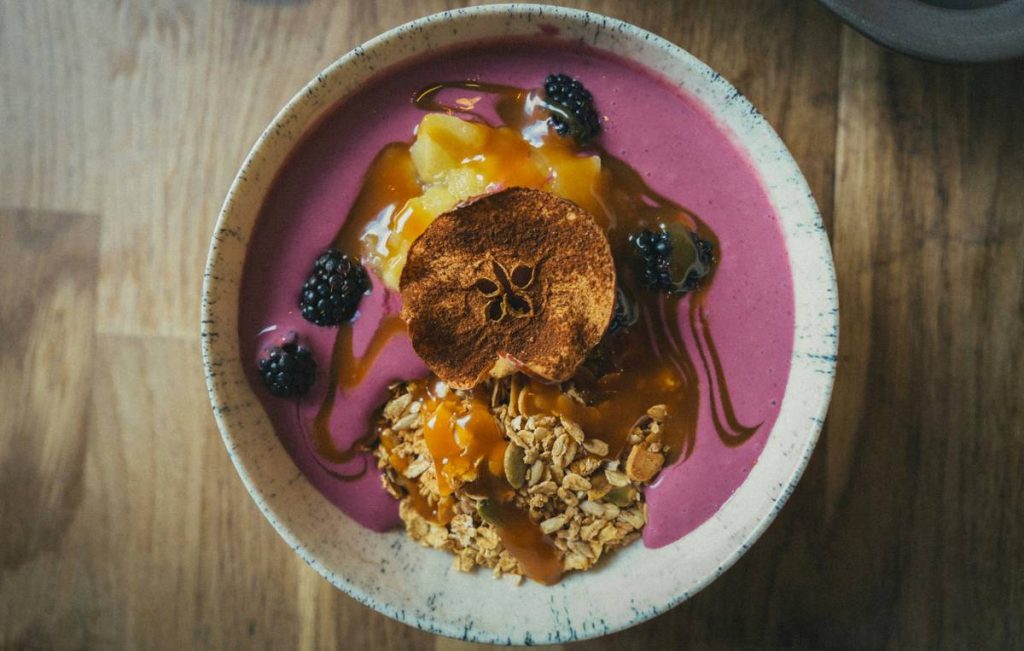
Most “healthy” desserts are still sugar bombs wrapped in marketing fluff. You swap refined sugar for coconut sugar, feel virtuous—and still wake up with puffiness, breakouts, or that sluggish fog. The real issue? Not all natural sweets support your skin or metabolism equally. The natural sweet dessert benefit of using truly clean, nutrient-dense ingredients goes far beyond cutting calories—it’s about feeding your body intelligently while satisfying cravings.
Why Most “Natural” Desserts Still Sabotage Your Skin
Organic cane sugar is still 99% sucrose. Agave? Mostly fructose—harder on your liver than table sugar. And honey, while antimicrobial, spikes glucose fast unless raw and unheated. Many brands slap “natural” on labels but pack desserts with dates, syrups, or fruit concentrates that overload your system with simple sugars. Your skin pays the price: glycation, collagen breakdown, inflammation.
And don’t get me started on store-bought “raw” treats loaded with processed nut flours and seed oils. They look wholesome—but oxidize quickly, triggering internal oxidative stress. That glow you’re chasing? It gets muffled from the inside out.
How to Craft a Truly Skin-Supportive Natural Sweet Dessert
The goal isn’t just sweetness—it’s synergy. Pair low-glycemic natural sweeteners with fats, fiber, and antioxidants to slow absorption and nourish dermal layers. Here’s how top formulators do it:
Select Your Base Sweetener Strategically
Not all natural sugars behave the same. Choose based on glycemic load, mineral content, and functional properties—not just taste.
Balance with Skin-Loving Fats
Add unrefined coconut oil, raw cacao butter, or soaked nuts. Fats blunt sugar spikes and carry fat-soluble vitamins (A, E, K) crucial for barrier repair.
Incorporate Functional Botanicals
Turmeric, cinnamon, or matcha aren’t just flavor—they’re anti-glycation allies. Even a pinch elevates your dessert from snack to skincare.
| Sweetener | Glycemic Index | Skin Benefit | Best Paired With |
|---|---|---|---|
| Raw Lucuma Powder | Low (~35) | Rich in beta-carotene & zinc—supports cell regeneration | Cacao, almond milk, chia |
| Monk Fruit Extract | Near zero | No insulin response; zero fermentation in gut | Coconut cream, vanilla bean |
| Organic Maple Syrup (Grade A Dark) | Medium (~54) | Contains polyphenols that fight oxidative stress | Walnuts, oats, cinnamon |
| Medjool Dates (whole, not paste) | High (~103) | Fiber slows absorption—but use sparingly | Tahini, flaxseed, sea salt |


The Industry Secret: Texture Dictates Metabolic Impact
Here’s what no brand tells you: how you structure your dessert changes how your body processes its sugar. A dense date ball hits your bloodstream faster than a light mousse made with aquafaba and monk fruit—even if both contain the same grams of sugar. Why? Surface area and moisture content alter enzymatic breakdown speed. Chefs in functional food labs engineer “mouthfeel” not just for pleasure, but to modulate glycemic response. At home? Whip your base. Fold in air. Use chilled coconut cream to create volume without added sugar. The result? Same satisfaction, lower metabolic cost—and visibly calmer skin within days.
Frequently Asked Questions
Are natural sweet desserts good for acne-prone skin?
Yes—if they avoid high-fructose sweeteners and include anti-inflammatory fats. Skip dried fruit bases; opt for monk fruit or lucuma with hemp seeds.
Can I eat natural sweet desserts daily?
In moderation. Even low-GI sugars trigger insulin if consumed alone. Always pair with protein or fat to blunt the response.
Do natural sweeteners really offer health benefits beyond sugar reduction?
Absolutely. Raw maple syrup has quebecol—a unique anti-inflammatory compound. Lucuma delivers iron and niacin. But quality matters: heat-processed versions lose these perks.